IT Monitoring Solution Architecture

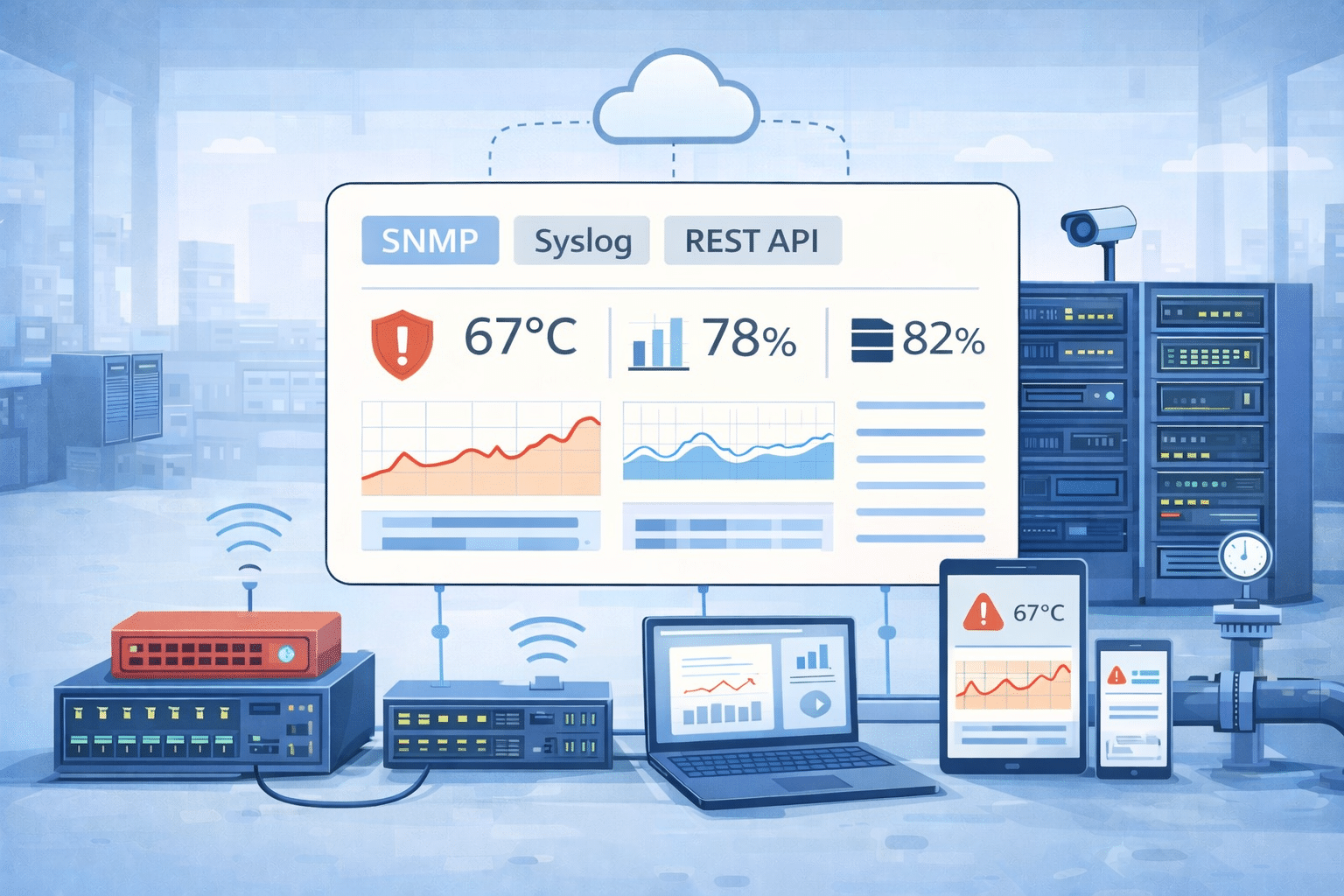
  • Sensors (SQL, ODBC, CPU, RAM, SSD)
  • Protocols (LAN, SNMP, HTTP / REST API)
  • Automation (performance optimization, predictive maintenance)
  • Dashboard’s & forecasts

Organizations are rapidly transitioning to digital IT infrastructure solutions in order to ensure higher system reliability, more efficient resource management, and a stronger level of cybersecurity.

As a result, it has become essential to monitor IT infrastructure in real time, including networks, servers, data centers, virtual systems, and data flows. This allows organizations to quickly identify disruptions and ensure continuous service availability.

Advanced monitoring platforms enable the integration of network devices, monitoring protocols, and cloud technologies into a unified IT infrastructure monitoring and data analysis system.

The services enable centralized collection and analysis of data from IT infrastructure, including servers, network devices, virtual systems, and cloud platforms.

Using automated rule chains, organizations can respond quickly to incidents by generating alerts, initiating automatic recovery actions, or activating backup systems.

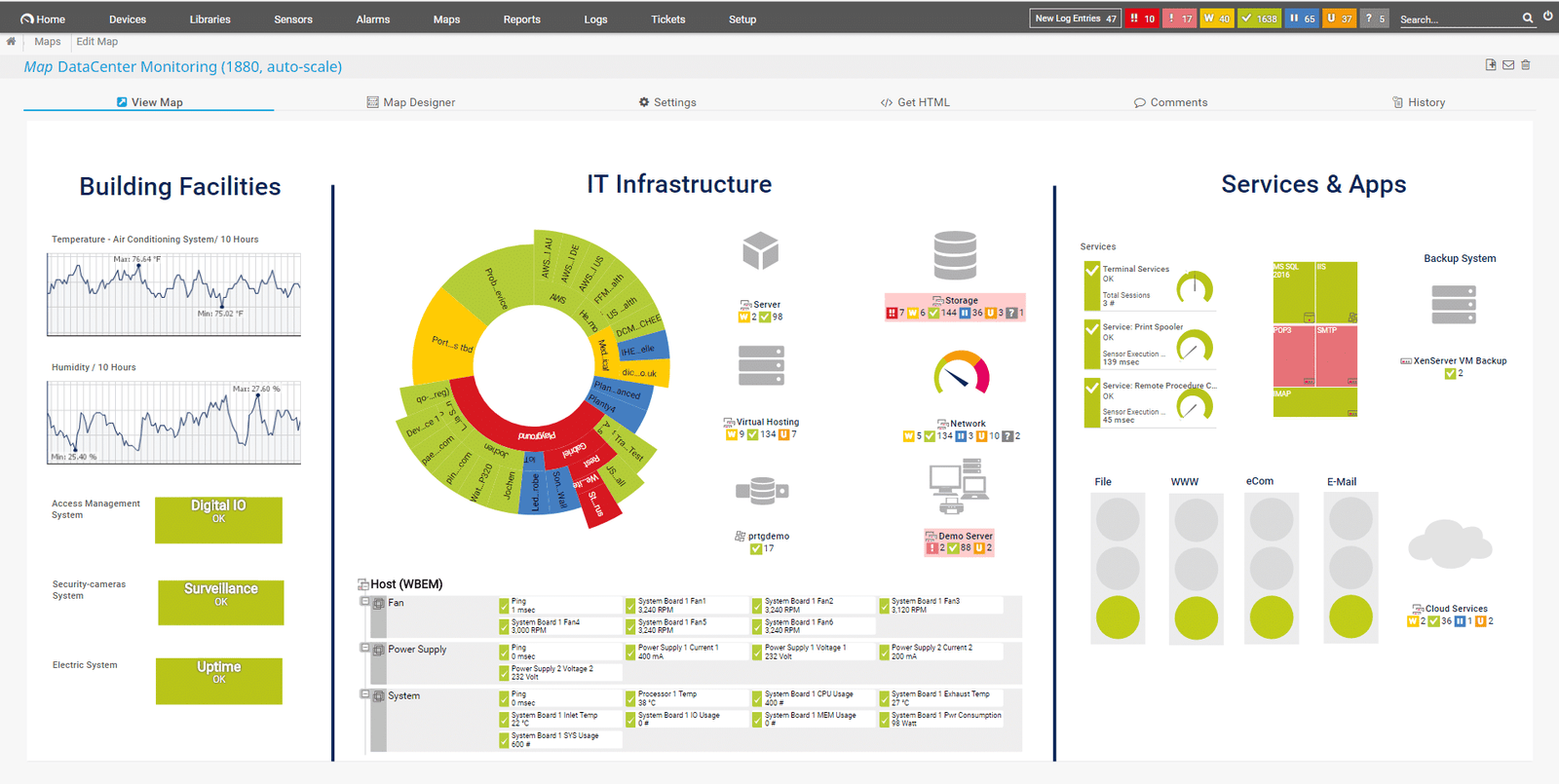
Monitoring dashboards and analytics tools provide real-time visibility into IT infrastructure status, enabling early detection of disruptions, optimization of resource usage, and better planning of infrastructure maintenance.

Organizations are increasingly adopting cloud-based solutions to achieve greater flexibility in IT services, more secure data management, and more efficient collaboration.

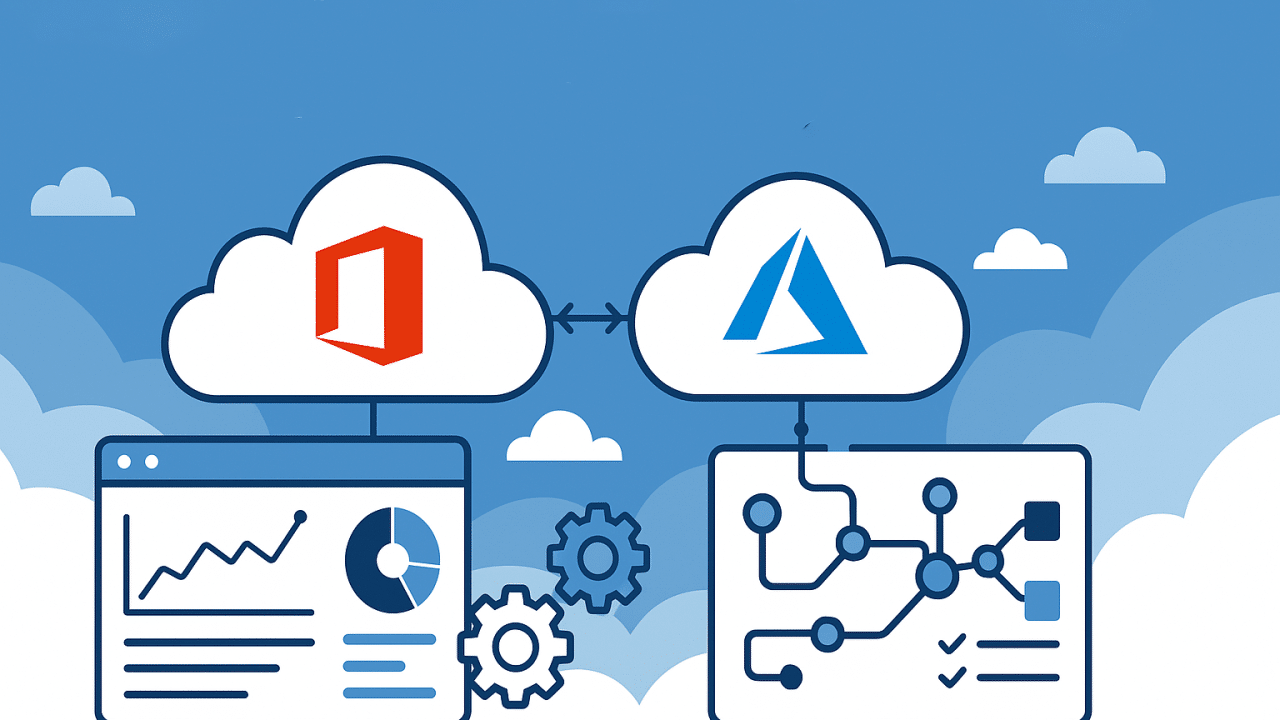
Therefore, it is essential to ensure the reliable operation of Microsoft 365 and Azure services, including user access management, data protection, cloud infrastructure configuration, and service availability.

Professional administration enables organizations to effectively manage Microsoft 365 and Azure environments, enforce security policies, optimize resource usage, and maintain stable and secure cloud service operations.